ISO 27001 consulting supports this journey by helping organizations embed structured security practices, clear accountability, and continuous improvement into everyday operations.
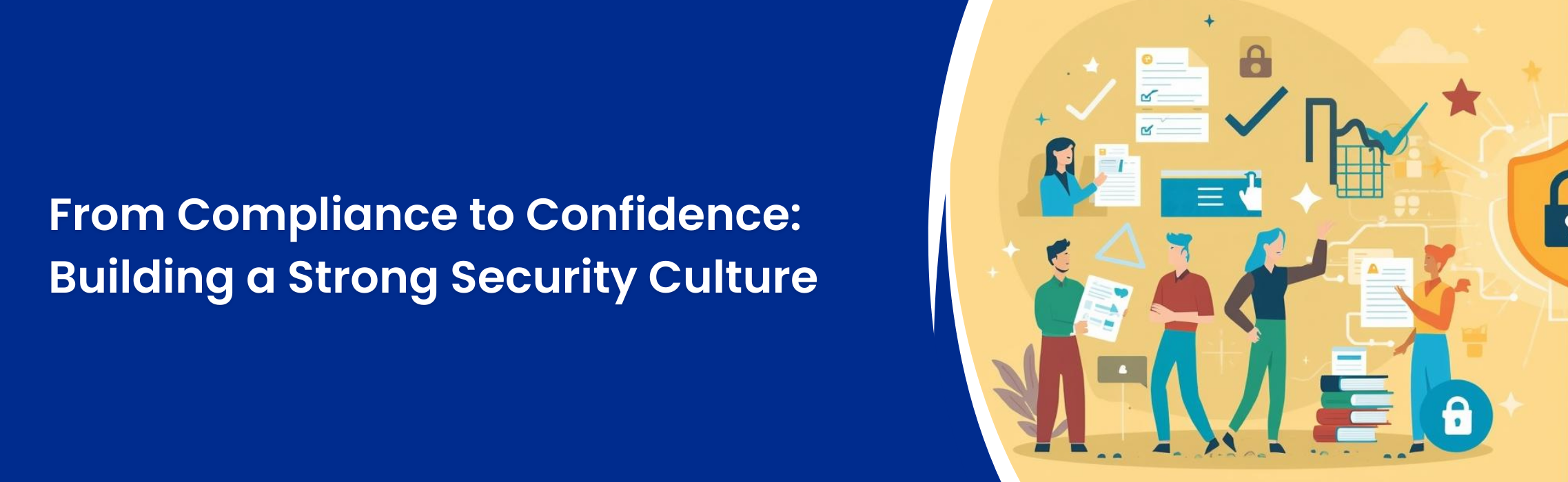
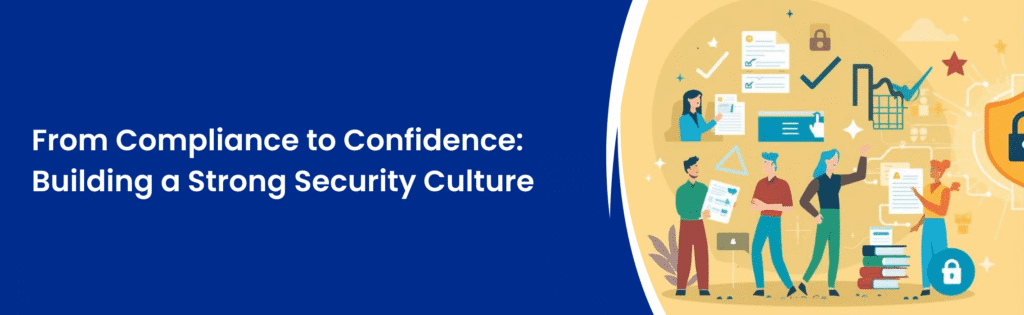
From Compliance to Confidence: Building a Strong Security Culture
From Compliance to Confidence: Building a Strong Security Culture
From Compliance to Confidence: Building a Strong Security Culture
In today’s hyper-connected digital world, cybersecurity has become a foundational part of business operations. Organizations collect, store, and process vast amounts of sensitive data daily, making them prime targets for cybercriminals. While many companies rely on regulatory requirements to guide their security practices, true protection can only be achieved when compliance evolves into a deeply rooted security culture. A strong security culture empowers employees, strengthens processes, and transforms security from a checkbox exercise into a competitive advantage.
Many businesses pursue frameworks such as gdpr-compliance-services, ccpa-compliance, HIPAA Compliance, and pci-dss-compliance to meet legal obligations, yet compliance alone is not enough. The real strength lies in building an environment where security becomes instinctive and everyone—from leadership to frontline teams—actively participates in safeguarding the organization. This shift from compliance to confidence is what ultimately creates long-term resilience.
Why Compliance Alone Isn’t Enough
Compliance frameworks establish minimum standards for protecting data, ensuring privacy, and preventing breaches. They define what organizations must do to avoid penalties and maintain trust. However, meeting regulatory requirements does not guarantee immunity from attacks.
Here’s why relying solely on compliance isn’t sufficient
1. Compliance Is Reactive, Not Proactive
Most regulations are implemented in response to past incidents, meaning they often address known risks, not emerging threats. Hackers continuously evolve their techniques, making it essential for organizations to stay one step ahead.
2. Compliance Doesn’t Address Human Behavior
Studies consistently show that human error remains one of the biggest causes of data breaches. Even a compliant organization can face compromised credentials, phishing attacks, or accidental data exposure if employees lack awareness.
3. Compliance May Create a False Sense of Security
Organizations sometimes assume that achieving gdpr-compliance-services or pci-dss-compliance is enough to keep them protected. This mindset can lead to complacency, delayed updates, or lack of investment in continuous security improvements.
4. Compliance Occurs Periodically, But Threats Are Continuous
Audits and assessments usually happen annually or quarterly, whereas cyber threats occur every minute. A dynamic security culture ensures ongoing vigilance rather than periodic checks.
A strong security culture fills these gaps by transforming individual behavior, reinforcing responsibility, and embedding security into daily workflows.
Building Cyber Resilience Through Culture
Cyber resilience refers to an organization’s ability to prepare for, withstand, respond to, and recover from cyber incidents. While compliance frameworks build structure, culture builds strength.
A strong security culture acts as the backbone of resilience through
Proactive Risk Management
Employees who understand security risks are more likely to follow best practices, avoid unsafe behaviors, and make informed decisions.
Faster Incident Detection
Workers who recognize unusual activity, phishing attempts, or suspicious access patterns can report threats early—reducing damage significantly.
Seamless Recovery Processes
When teams are trained and aware of response protocols, downtime and financial losses decrease.
Reduced Human Error
By regularly educating staff on secure behaviors, organizations minimize the risk of accidental breaches, misconfigurations, and data mishandling.
A culture focused on resilience ensures that regulatory frameworks such as hipaa-compliance or ccpa-compliance are not just implemented but lived out daily.
Employee Security Awareness: The Cornerstone of Security Culture
Employees remain the most critical—and vulnerable—part of an organization’s defense system. Strengthening employee security awareness is therefore essential for building a sustainable security culture.
Effective awareness programs include:
1. Regular Workshops and Training Sessions
Interactive sessions help employees understand evolving cyber threats, including phishing, ransomware, social engineering, and data privacy issues.
2. Real-Like Simulations
Simulated phishing campaigns and breach scenarios test employee readiness and reinforce learning.
3. Clear Communication Channels
Ongoing communication—through newsletters, posters, or dashboards—keeps security top-of-mind.
4. Role-Based Training
Employees in finance, HR, healthcare, or IT need customized training relevant to regulations like PCI DSS compliance or HIPAA compliance.
5. Encouraging Accountability
When employees feel responsible and valued as part of the security ecosystem, they become proactive defenders instead of passive participants.
Organizations with strong security awareness programs report fewer breaches, higher compliance success rates, and improved data handling practices.
Implementing Compliance Best Practices Effectively
Compliance forms the foundation of any security program. However, true effectiveness comes when compliance best practices are woven into the organization’s structure and culture.
Key steps include
1. Align Policies With Regulatory Requirements
Clear data protection, access control, and privacy policies ensure alignment with standards such as gdpr-compliance-services and ccpa-compliance.
2. Conduct Regular Internal Audits
Frequent audits help identify gaps before external assessments occur, ensuring continuous improvement.
3. Leverage Automated Compliance Tools
Automation reduces human oversight errors and helps track policy enforcement, risk scoring, and adherence to industry standards.
4. Maintain Transparent Documentation
Documenting processes, incidents, corrective actions, and training activities helps streamline both operational efficiency and regulatory inspections.
5. Integrate Compliance Into Daily Operations
Compliance should not be a once-a-year activity. Embedding it into daily workflows ensures consistent protection across all departments.
At this stage, compliance transforms from a mandatory requirement into a strategic advantage, strengthening both trust and brand reputation.
Steps to Build a Strong Security Culture
Creating a strong security culture requires consistent effort and long-term commitment. Here’s how organizations can make the transition from compliance to confidence:
1. Integrate Security Into Everyday Operations
Security shouldn’t be an isolated department’s responsibility. Every decision, process, and tool should incorporate security considerations.
2. Conduct Regular Security Training and Awareness Programs
Frequent training ensures employees stay updated and aware of evolving threats.
3. Use Simulated Attacks to Measure Readiness
Simulations reveal vulnerabilities, improve response time, and offer valuable insights for future improvements.
4. Encourage a No-Fear Reporting Culture
Employees should feel safe reporting suspicious activities, vulnerabilities, or policy violations without fear of punishment.
5. Leverage Technology and Automation
Automated systems improve consistency and support compliance with frameworks like pci-dss-compliance and GDPR compliance services.
6. Recognize and Reward Positive Security Behavior
Acknowledging responsible actions reinforces engagement and motivation.
With these steps, organizations shift from basic compliance to an empowered, security-first culture.
Conclusion
Building a security culture is no longer optional—it is a necessity in today’s threat-filled digital landscape. Compliance frameworks such as GDPR compliance services, CCPA compliance, HIPAA compliance, and PCI DSS compliance establish a solid baseline, but culture elevates security far beyond minimum requirements. By empowering employees through awareness programs, embedding best practices into daily operations, and consistently strengthening cyber resilience, organizations transform security compliance from a legal obligation into a source of confidence.
A strong security culture ensures every individual plays a meaningful role in protecting data, preventing breaches, and boosting organizational trust. With the right mindset and continuous effort, companies can build resilient environments capable of navigating evolving cyber threats while maintaining compliance and fostering long-term success.
FAQs
What is a security culture?
A security culture is an organizational mindset where employees understand, prioritize, and actively participate in protecting company assets and data.
How does employee security awareness improve security?
Educated employees can identify risks, avoid common mistakes, and respond effectively to cyber threats, reducing vulnerabilities across the organization.
Can compliance alone ensure cybersecurity?
No. Compliance ensures rules are followed but does not address human behavior or proactive risk management. A strong security culture complements compliance.
What are compliance best practices?
Compliance best practices include implementing policies, regular audits, risk assessments, training, and using automated tools to enforce security standards.
How can organizations build cyber resilience?
Organizations can build cyber resilience by combining proactive policies, employee awareness, continuous monitoring, incident response planning, and technology integration.

Ajai Srivastava,
Founder Director of Seven Step Consulting Pvt. Ltd. , which comprises GRC Consulting, GRC Automation, and Books Publication, brings 35+ years of leadership across multinational companies. A seasoned consultant, auditor, trainer, and author, he is known for shaping ISMS in India, delivering 3000+ training hours, and advancing global standards and compliance practices.