ISO 27001 Gap Analysis: A Complete Guide to Templates, Tools & Checklists
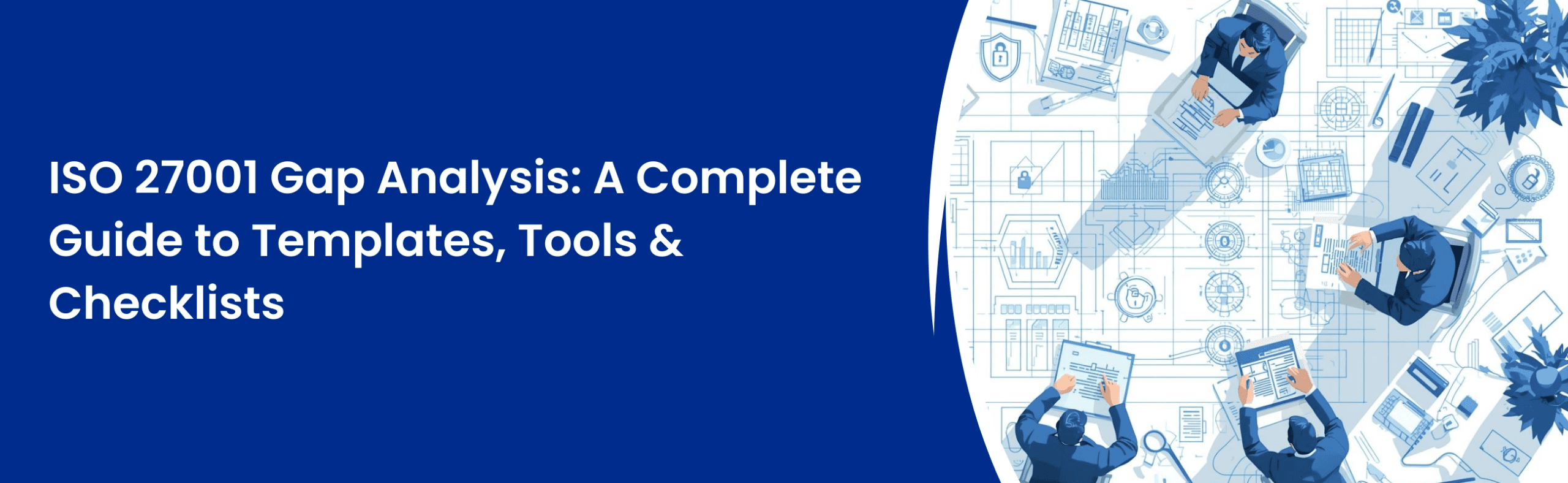
ISO 27001 Gap Analysis: A Complete Guide to Templates, Tools & Checklists
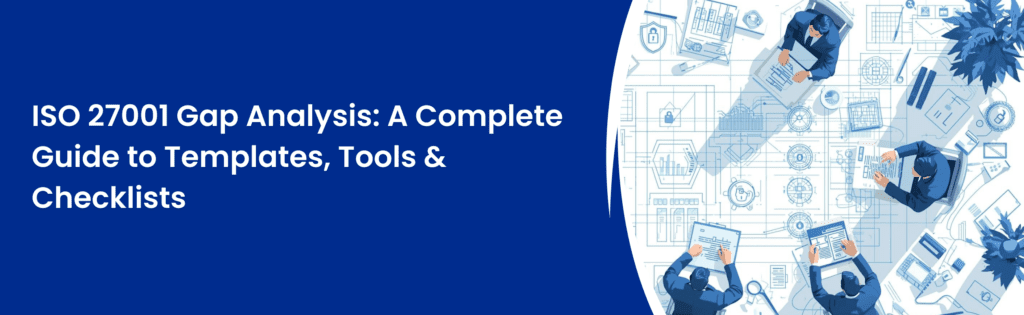
ISO 27001 Gap Analysis: A Complete Guide to Templates, Tools & Checklists
In today’s digital-first business environment, organizations rely heavily on information to drive operations, decision-making, and customer engagement. As data volumes increase, so do the risks associated with cyber threats, data breaches, and regulatory scrutiny. To manage these risks effectively, organizations adopt structured information security frameworks aligned with international standards.
ISO/IEC 27001:2022 provides a risk-based approach for protecting information assets through a formal Information Security Management System aligned with iso iec 270012022 compliance. Before implementing or improving security controls, organizations commonly begin with an iso 27001 gap analysis to understand how their existing practices align with ISO 27001 requirements. This blog explains the purpose, approach, and components of iso 27001 gap analysis, focusing on templates, tools, and checklists.
Understanding ISO 27001 Gap Analysis
ISO 27001 gap analysis is a structured assessment used to compare an organization’s current information security controls, policies, and processes against the requirements of ISO/IEC 27001:2022. The goal is to identify gaps that may affect information security governance and compliance readiness.
Through gap analysis iso 27001, organizations gain a clear picture of:
- Existing information security measures
- Areas where controls are missing or partially implemented
- Documentation gaps related to policies and procedures
- Opportunities to strengthen risk management and governance
This assessment serves as a foundation for planning improvements and aligning security practices with the standard.
Why ISO 27001 Gap Analysis Is Important
Information security is no longer limited to technology controls alone. It involves people, processes, systems, and governance. An iso 27001 gap analysis helps organizations evaluate how effectively these elements work together to protect sensitive information.
Key benefits include:
- Clear visibility into the current security posture
- Identification of weaknesses that could lead to data breaches
- Better understanding of ISO 27001 compliance requirements
- Structured input for designing or improving security controls
By performing gap analysis iso 27001, organizations can take a measured and informed approach to strengthening information security.
ISO 27001 Gap Analysis Approach
Every organization has a unique operating environment, risk exposure, and regulatory landscape. For this reason, iso 27001 gap analysis is typically customized based on organizational scope and objectives.
The assessment generally includes:
Initial Assessment
A high-level review of existing security practices is conducted against ISO/IEC 27001:2022 requirements using an iso 27001 gap analysis checklist.
Documentation Review
Policies, procedures, and records are reviewed to verify whether they are aligned with standard requirements and properly maintained.
Control Evaluation
Security controls are reviewed to determine whether they are implemented, documented, and functioning as intended.
Gap Identification
Differences between current practices and ISO 27001 requirements are recorded in a structured format for further action.
ISO 27001 Gap Analysis Checklist
An iso 27001 gap analysis checklist is a key component of the assessment process. It ensures that all relevant areas of the standard are reviewed systematically and consistently.
The checklist typically covers:
- Organizational context and scope definition
- Leadership roles and responsibilities
- Risk assessment and risk treatment processes
- Information security policies
- Access control and asset management
- Incident management and response
- Monitoring, internal review, and improvement activities
Using a checklist helps organizations avoid oversight and maintain consistency across assessments.
ISO 27001 Gap Analysis Template
An iso 27001 gap analysis template provides a structured way to document findings during the assessment. Templates help organize observations and ensure traceability between requirements and identified gaps.
A typical iso 27001 gap analysis template includes:
- Clause or control reference
- Requirement description
- Current implementation status
- Identified a gap or observation
- Impact assessment
- Recommended corrective action
These templates support structured reporting and provide a clear roadmap for addressing gaps.
ISO 27001 Gap Analysis Tool
Organizations may use either manual or digital solutions as an iso 27001 gap analysis tool, depending on their size and maturity.
Manual Tools
Manual tools include spreadsheets and document-based templates used to record checklist responses and observations.
Digital Tools
Digital iso 27001 gap analysis tools help centralize documentation, track progress, and generate structured reports.
Regardless of the approach, the effectiveness of an iso 27001 gap analysis tool depends on accurate assessment and proper interpretation of ISO 27001 requirements.
Risk Assessment and Control Alignment
Risk assessment is a core requirement of ISO/IEC 27001:2022 and is closely linked to iso 27001 gap analysis. During the assessment, organizations review how risks are identified, evaluated, and treated, and whether appropriate controls are in place.
Control alignment focuses on ensuring that security measures are:
- Relevant to identified risks
- Properly documented
- Regularly reviewed for effectiveness
This alignment supports consistent and measurable management of information security risks.
Output of ISO 27001 Gap Analysis
The outcome of an iso 27001 gap analysis is a structured report that provides:
- An overview of the organization’s current compliance position
- Identified gaps mapped to ISO 27001 requirements
- Areas requiring improvement
- Input for planning corrective actions
This report serves as a practical reference for improving information security governance.
Role of Gap Analysis in ISO 27001 Compliance
Gap analysis iso 27001 supports organizations throughout their information security journey. It helps prepare for audits, strengthens governance structures, and supports continuous monitoring and improvement.
By integrating iso 27001 gap analysis into regular security reviews, organizations ensure that information security remains aligned with evolving risks and regulatory expectations.
Gap analysis iso 27001 supports organizations throughout their information security journey. To implement structured security controls and strengthen compliance, explore iso iec 27001 compliance services for expert guidance and strategic support.
Using ISO 27001 Gap Analysis for Continuous Improvement
While iso 27001 gap analysis is often conducted at the beginning of an information security initiative, its value extends beyond initial assessments. Organizations can use the results of gap analysis iso 27001 to monitor progress over time, validate improvements, and maintain alignment with ISO/IEC 27001:2022 requirements. Periodic reviews using the same iso 27001 gap analysis checklist, template, and tool help ensure that security controls remain effective, documented, and aligned with changing business and risk environments. This approach supports structured decision-making and reinforces long-term information security governance.
Conclusion
ISO 27001 gap analysis is an essential step for organizations seeking to align their information security practices with ISO/IEC 27001:2022. By using structured checklists, well-defined templates, and appropriate tools, organizations can gain clear insight into their current security posture.
A systematic iso 27001 gap analysis supports informed decision-making, highlights improvement priorities, and strengthens long-term information security governance—ensuring a consistent and compliant approach to protecting critical information assets.
FAQs
What is ISO 27001 gap analysis?
ISO 27001 gap analysis is a structured assessment that compares an organization’s current information security controls and processes against ISO/IEC 27001:2022 requirements to identify gaps and improvement areas.
Why is ISO 27001 gap analysis important?
It helps organizations understand their current security posture, identify weaknesses, ensure compliance, and plan improvements in alignment with ISO/IEC 27001:2022.
What tools and templates are used for ISO 27001 gap analysis?
Organizations use checklists, templates, spreadsheets, and digital tools to document gaps, track progress, and generate structured reports for informed decision-making.
Can ISO 27001 gap analysis be done internally?
Yes, if the team has sufficient knowledge of ISO/IEC 27001:2022 standards, risk management, and information security principles. Many organizations combine internal assessment with expert consultation.
How often should ISO 27001 gap analysis be performed?
Gap analysis should be performed during initial ISMS implementation, after major organizational changes, or periodically to ensure continuous compliance and improvement.

Ajai Srivastava,
Founder Director of Seven Step Consulting Pvt. Ltd. , which comprises GRC Consulting, GRC Automation, and Books Publication, brings 35+ years of leadership across multinational companies. A seasoned consultant, auditor, trainer, and author, he is known for shaping ISMS in India, delivering 3000+ training hours, and advancing global standards and compliance practices.