ISO 27001 Management System: Security, Compliance & Best Practices
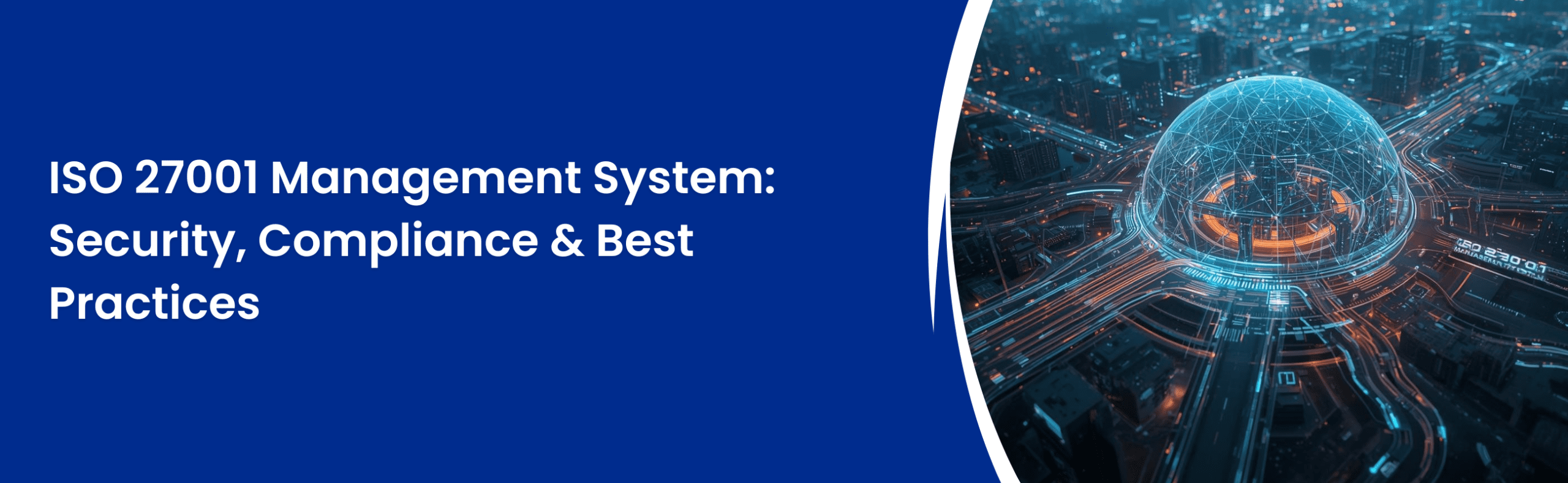
ISO 27001 Management System: Security, Compliance & Best Practices
ISO 27001 Management System: Security, Compliance & Best Practices
In today’s digital business landscape, protecting sensitive information is more critical than ever. Businesses handle vast amounts of data, including customer details, financial records, and intellectual property. Any security lapse can lead to regulatory penalties, financial loss, or damage to reputation. This is where ISO 27001 plays a vital role.
ISO 27001 is the internationally recognized standard for establishing, implementing, maintaining, and continuously improving an Information Security Management System (ISMS). By adopting a structured ISO 27001 Management System, businesses can safeguard data and maintain a strong ISO 27001 Security posture. Achieving ISO/IEC 27001:2022 Compliance further ensures that the management system meets the latest international standards.
Why ISO 27001 Matters for Your Businesses
For modern businesses, implementing ISO 27001 is no longer optional. It ensures that sensitive data is protected and that security risks are managed systematically. A robust ISO 27001 Security framework builds customer trust and demonstrates compliance with regulatory and contractual obligations.
Adopting an ISO 27001 Management System also provides a competitive advantage. Businesses with certified systems can confidently assure partners and clients that information security is a top priority. Additionally, integrating ISO 27001 system security into operations ensures risks are identified and mitigated effectively.
Understanding the ISO 27001 Management System
An ISO 27001 Management System is a structured framework that defines how information security is governed within a business. It includes people, processes, and technology, all working together to identify, assess, and mitigate risks.
Core components of the ISO 27001 Management System include:
- Policies and procedures for information security
- Risk assessment and treatment plans
- Roles and responsibilities for maintaining ISO 27001 Security
- Continuous monitoring and improvement mechanisms
With a properly implemented ISO 27001 Management System, businesses can manage security risks effectively while aligning with international standards. Integrating a robust ISO 27001 security management system further strengthens security controls and ensures long-term compliance.
ISO 27001 Security Controls: Key Measures to Protect Your Business Information
ISO 27001 Security Controls are structured measures defined by the standard to protect sensitive business information and manage risks effectively. Conducting an ISO 27001 Gap Analysis helps businesses identify gaps in their current security measures before implementing these controls. These controls, outlined in Annex A of ISO 27001, cover preventive, detective, and corrective actions that businesses must implement to ensure ISO 27001 Security.
Key steps include:
- Conducting thorough risk assessments to identify potential threats and vulnerabilities
- Selecting and implementing appropriate ISO 27001 Security controls based on risk evaluation
- Monitoring the effectiveness of security measures regularly
- Updating controls to respond to emerging threats and business changes
By following these measures, businesses can strengthen their ISO 27001 Management System, maintain compliance, and ensure that critical information is protected consistently.
ISO 27001 Compliance Requirements
To achieve ISO 27001 compliance, businesses must:
- Demonstrate leadership commitment and governance
- Document policies, procedures, and controls within the ISO 27001 Management System
- Conduct regular internal audits and management reviews
- Continuously improve the ISMS to maintain ISO 27001 Security
Meeting these requirements ensures that businesses not only comply with the standard but also embed security into their operational culture.
Benefits of ISO 27001 Management System
Implementing an ISO 27001 Management System offers multiple benefits:
- Protection of sensitive business data through strong ISO 27001 Security
- Compliance with regulatory and contractual obligations
- Improved trust with customers and stakeholders
- Reduced risk of data breaches and security incidents
- Competitive advantage in bids and client engagements
These benefits make ISO 27001 a strategic investment for businesses aiming for long-term security and resilience.
Best Practices for Implementing ISO 27001
To maximize the effectiveness of an ISO 27001 Management System, businesses should follow best practices:
- Conduct a gap analysis to identify weaknesses before implementation
- Train employees on ISO 27001 Security principles
- Perform regular risk assessments and update controls
- Integrate ISO 27001 Management System with other management systems for efficiency
- Engage experienced ISO 27001 consulting services to guide implementation
Following these practices ensures a smooth path to compliance and a sustainable ISO 27001 security management system.
ISO 27001 Audits and Certification
Auditing is a critical part of ISO 27001. Internal audits help businesses evaluate the effectiveness of their ISO 27001 Management System, while external certification audits confirm compliance with the standard.
Surveillance audits maintain ongoing ISO 27001 Security and ensure continuous improvement. Together, audits and certifications validate that businesses are managing information security risks effectively and consistently. This also helps sustain a robust ISO 27001 security management system.
Conclusion
Implementing an ISO 27001 Management System helps businesses establish strong ISO 27001 Security, meet compliance requirements, and protect critical information assets. By understanding ISO 27001, following compliance requirements, and leveraging auditing and consulting services, businesses can achieve certification and sustain long-term security.
With the right approach, ISO 27001 becomes more than a standard—it becomes a core part of business governance, risk management, and operational resilience. Integrating ISO 27001 system security ensures that the management system remains robust and continuously aligned with best practices, creating a sustainable ISO 27001 security management system.
FAQs
What is an ISO 27001 Management System?
An ISO 27001 Management System is a structured framework that defines how businesses govern information security. It includes people, processes, and technology to identify, assess, and manage security risks.
Why is ISO 27001 Security important for businesses?
Implementing ISO 27001 Security ensures sensitive information is protected, compliance requirements are met, and businesses can prevent data breaches, cyberattacks, and operational risks.
What are ISO 27001 Security Controls?
ISO 27001 Security Controls are preventive, detective, and corrective measures defined in Annex A of ISO 27001. They help businesses mitigate risks, monitor effectiveness, and maintain compliance within their ISO 27001 Management System.
How can ISO 27001 system security and auditing help my business?
Adopting ISO 27001 system security and conducting regular audits ensures that the management system is effective, identifies gaps, and prepares businesses for certification while maintaining ongoing compliance.
What benefits do businesses gain from an ISO 27001 security management system?
A well-implemented ISO 27001 security management system protects sensitive data, enhances regulatory compliance, builds customer trust, reduces security incidents, and provides a competitive advantage.

Ajai Srivastava,
Founder Director of Seven Step Consulting Pvt. Ltd. , which comprises GRC Consulting, GRC Automation, and Books Publication, brings 35+ years of leadership across multinational companies. A seasoned consultant, auditor, trainer, and author, he is known for shaping ISMS in India, delivering 3000+ training hours, and advancing global standards and compliance practices.