ISO 27001 vs ISO 27701: Which One Does Your Business Need

ISO 27001 vs ISO 27701: Which One Does Your Business Need
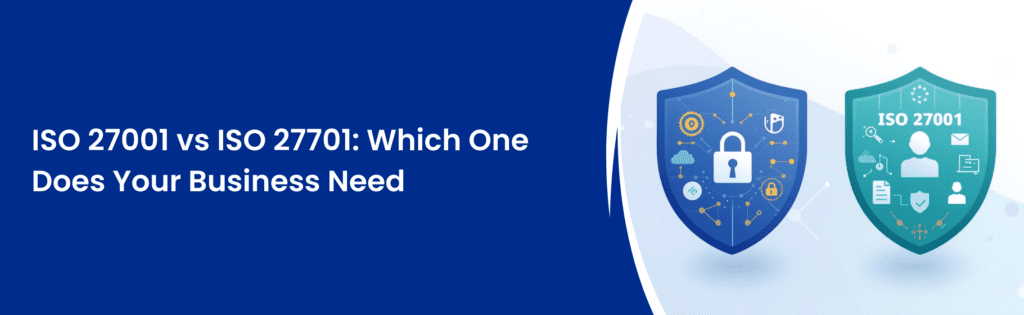
ISO 27001 vs ISO 27701: Which One Does Your Business Need
In today’s digital landscape, protecting sensitive information is no longer optional—it’s a business imperative. Organizations are increasingly under pressure to comply with international standards that safeguard data and maintain trust with customers, partners, and regulators. Two of the most important standards in information security and privacy management are ISO 27001 and ISO 27701. But how do you know which one your business needs?
In this blog, we’ll explore the key differences between these standards, their benefits, and how leveraging Data Protection & Cybersecurity Consulting, ISO 27001 Compliance Services, ISO 27701 Implementation Consulting, and comprehensive data protection officer services can help your organization achieve compliance efficiently.
What is ISO 27001?
ISO 27001 is the international standard for Information Security Management Systems (ISMS). It provides a systematic approach to managing sensitive company information, ensuring it remains secure.
Key benefits of ISO 27001 include
- Protecting confidential business and customer data
- Reducing risks related to cyber threats
- Demonstrating compliance to clients and stakeholders
- Improving operational efficiency through standardized security processes
Many businesses seeking ISO 27001 Compliance Services opt for professional guidance to implement the standard effectively, ensuring their ISMS meets all requirements and passes certification audits smoothly. Organizations also enhance their cloud and privacy security by aligning ISO 27001 efforts with iso-27017 iso-27018 compliance, which helps strengthen controls for cloud service providers and the protection of personally identifiable information (PII) in cloud environments.
Difference Between ISO 27001 and ISO 27701
While both standards aim to strengthen your organization’s security and privacy posture, they serve different purposes. ISO 27001 focuses on establishing, implementing, and maintaining an Information Security Management System (ISMS). It protects all types of organizational data, including business and operational information, and helps demonstrate adherence to international security best practices.
On the other hand, ISO 27701 is an extension of ISO 27001 and concentrates on Privacy Information Management Systems (PIMS). It specifically addresses the protection of personally identifiable information (PII) and helps organizations comply with privacy regulations such as GDPR, CCPA, and DPDP compliance
In essence, ISO 27001 ensures the security of your entire information ecosystem, while ISO 27701 adds privacy-specific controls and guidance to handle personal data responsibly. For businesses handling large volumes of personal information, adopting ISO 27701 alongside ISO 27001 provides comprehensive protection for both business-critical and privacy-sensitive data.
Which Standard Does Your Business Need?
Choosing between ISO 27001 and ISO 27701 depends on your business objectives, the type of data you handle, and regulatory requirements:
- ISO 27001 only: Ideal for organizations that need to protect corporate and operational data without a primary focus on personal data compliance.
- ISO 27701: Essential for companies processing significant amounts of personal or customer data and aiming to comply with privacy regulations.
- Both standards together: Recommended for businesses seeking robust information security alongside comprehensive privacy compliance.
Engaging professional Data Protection & Cybersecurity Consulting can help you evaluate your needs, assess risks, and determine the most suitable compliance strategy for your organization.
Benefits of Implementing ISO 27001 and ISO 27701
1. Enhanced Security and Privacy
Implementing these standards ensures your sensitive business and customer data are protected against unauthorized access, breaches, and cyber threats.
2. Regulatory Compliance
With regulations like GDPR, HIPAA, and CCPA becoming mandatory, organizations that implement ISO 27701 can demonstrate compliance confidently.
3. Improved Customer Trust
Certification communicates to customers and partners that your organization takes security and privacy seriously, enhancing brand reputation.
4. Operational Efficiency
Both standards promote structured processes, regular risk assessments, and continuous improvement, improving overall business operations.
5. Competitive Advantage
Achieving ISO 27001 and ISO 27701 certifications can differentiate your business from competitors and open doors to new markets and clients.
How Professional Consulting Helps
Engaging expert services ensures your implementation is smooth, efficient, and compliant.
- ISO 27001 Compliance Services: Help set up ISMS frameworks, conduct gap analyses, prepare documentation, and manage certification audits.
- ISO 27701 Implementation Consulting: Provides guidance to extend your ISMS into a Privacy Information Management System, ensuring compliance with personal data regulations.
- Data Protection & Cybersecurity Consulting: Offers end-to-end support, from risk assessment to ongoing monitoring and improvement, helping your organization maintain compliance long-term.
Internal linking tip: While writing about these services, link to your existing service pages for ISO 27001 compliance, ISO 27701 consulting, and cybersecurity consulting to improve user engagement and SEO.
Steps to Get Started
- Conduct a data and risk assessment to understand your current security and privacy posture.
- Decide which standard(s) fit your business requirements: ISO 27001, ISO 27701, or both.
- Engage professional consulting services for guidance and implementation.
- Train employees on security and privacy best practices.
- Monitor, audit, and continually improve your ISMS and PIMS for ongoing compliance.
Conclusion
Choosing between ISO 27001 vs ISO 27701 is critical for any organization serious about information security and privacy compliance. While ISO 27001 ensures robust security management, ISO 27701 adds a dedicated focus on personal data privacy. Incorporating both frameworks is also a key step in Building a Strong Security Culture, ensuring that security becomes part of daily operations rather than just a compliance requirement.
Businesses can maximize protection and regulatory compliance by implementing both standards, supported by expert ISO 27001 Compliance Services, ISO 27701 Implementation Consulting, and Data Protection & Cybersecurity Consulting. Investing in professional guidance not only streamlines compliance but also strengthens customer trust, operational efficiency, and competitive advantage.To explore these services further, click here.
FAQs
What is the difference between ISO 27001 and ISO 27701?
ISO 27001 focuses on overall information security, while ISO 27701 adds privacy-specific controls for personal data
Can a company have ISO 27701 without ISO 27001?
No. ISO 27701 is an extension and requires an existing ISO 27001 framework.
Which standard is better for GDPR compliance?
ISO 27701 is specifically designed to align with GDPR and other privacy regulations.
How long does it take to implement ISO 27001?
Depending on the organization size, ISO 27001 implementation can take 6–12 months.
Do small businesses need both standards?
It depends on data type. If personal data handling is significant, implementing both is recommended.
What are the key benefits of ISO 27701?
Enhanced privacy, regulatory compliance, customer trust, and risk mitigation for personal data.
How do ISO 27001 Compliance Services help?
They guide your organization through ISMS implementation, documentation, risk management, and certification readiness.
What is the role of Data Protection & Cybersecurity Consulting?
Experts provide risk assessment, compliance strategy, security solutions, and ongoing monitoring.
Is ISO 27701 certification mandatory?
It’s not mandatory but highly recommended for companies processing personal data to meet privacy regulations.
Can ISO 27001 and ISO 27701 improve business reputation?
Yes, certifications demonstrate strong security and privacy practices, enhancing customer trust and market credibility.

Ajai Srivastava,
Founder Director of Seven Step Consulting Pvt. Ltd. , which comprises GRC Consulting, GRC Automation, and Books Publication, brings 35+ years of leadership across multinational companies. A seasoned consultant, auditor, trainer, and author, he is known for shaping ISMS in India, delivering 3000+ training hours, and advancing global standards and compliance practices.