IT Security vs Compliance: Understanding the Key Differences
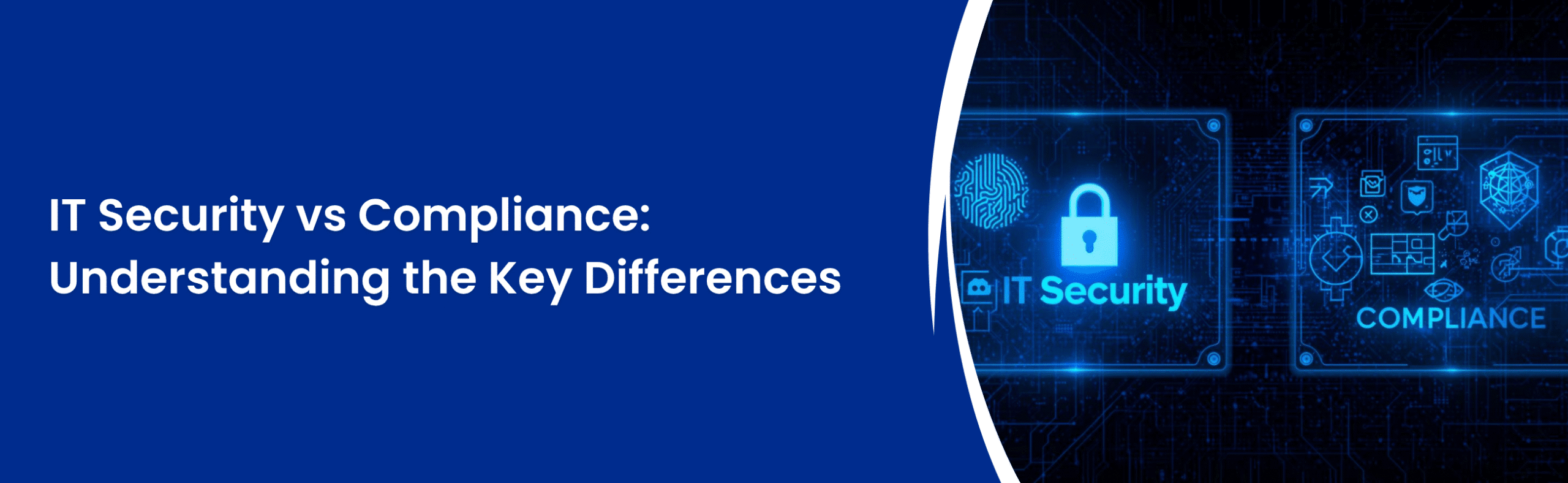
IT Security vs Compliance: Understanding the Key Differences
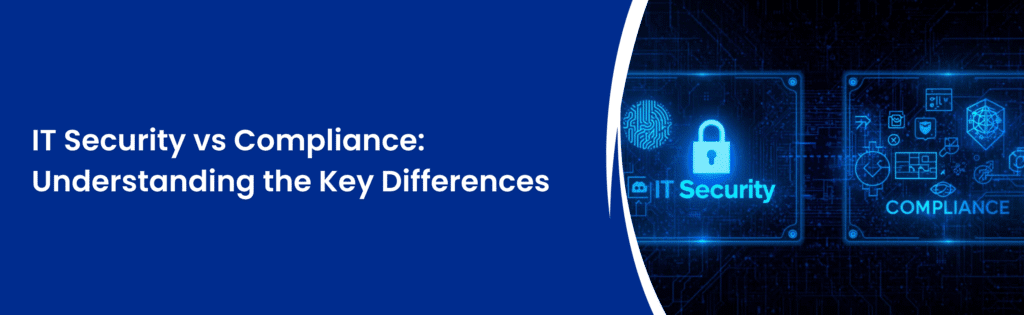
IT Security vs Compliance: Understanding the Key Differences
In today’s digital era, organizations face an increasing number of cyber threats while being required to comply with strict regulations. Many businesses often confuse IT security vs compliance, thinking they are the same. However, while both are crucial for safeguarding data, they serve different purposes. Understanding the differences can help organizations build stronger defenses, implement effective security policies, and meet regulatory compliance requirements efficiently. An audit service can help businesses assess their current security posture, identify vulnerabilities, and ensure adherence to compliance standards.
What is IT Security?
IT security refers to the measures, tools, and practices used to protect an organization’s systems, networks, and data from cyber threats. Its primary goal is to prevent unauthorized access, data breaches, and potential disruptions. ISO 27001 compliance services support this by helping organizations implement a structured information security management system (ISMS) that aligns with international standards and ensures consistent protection of sensitive information.
IT security relies heavily on risk-based security, which involves identifying vulnerabilities and prioritizing protections based on the potential impact of threats. Organizations implement strong access controls to ensure that only authorized personnel can access sensitive information. Encryption and secure data storage further safeguard critical assets, while employee training helps minimize risks caused by human error. Additionally, organizations must adhere to SEBI IRDAI RBI regulatory compliance to ensure they meet industry-specific regulations and standards for data protection and security.
Unlike compliance, IT security is proactive and focuses on preventing attacks before they occur.
What is IT Compliance?
IT compliance is about adhering to industry-specific laws, regulations, and standards that ensure the security and privacy of data. Compliance is rule-based and focuses on demonstrating that your organization meets necessary legal requirements to avoid penalties and maintain customer trust.
Some common compliance standards include:
- GDPR (General Data Protection Regulation): Protects personal data of EU citizens.
- HIPAA: Ensures the security of sensitive healthcare information.
- PCI DSS: Secures payment card transactions.
- SOX (Sarbanes-Oxley Act): Ensures accurate financial reporting for public companies.
While compliance helps organizations maintain security standards, it does not automatically guarantee protection from cyber threats. Compliance is about following the rules, whereas security is about actively defending against risks.
Key Differences Between IT Security and IT Compliance
The difference between IT security vs compliance lies mainly in purpose, approach, and focus. IT security is proactive and risk-based, aimed at protecting systems and data from threats. IT compliance, on the other hand, is rule-based and focused on meeting regulatory requirements through audits, documentation, and processes.
A company can be fully compliant yet still be vulnerable if it doesn’t implement strong IT security measures. Similarly, strong security practices may not satisfy regulatory requirements unless properly documented and aligned with compliance standards.
Why Both Are Important
Both IT security and IT compliance are essential for organizations that want to protect sensitive information and maintain legal and reputational standing. Combining security policies, proactive risk management, and regulatory adherence ensures comprehensive protection.
For example, a business following PCI DSS compliance ensures secure payment processing, but without proper IT security measures like monitoring, firewalls, and encryption, it could still fall victim to cyberattacks. Organizations that implement both IT security and compliance frameworks are better prepared to prevent breaches while staying legally and operationally sound.
Best Practices to Achieve Both
- Conduct Regular Risk Assessments
Identify vulnerabilities and prioritize security measures based on potential impact. - Implement Strong Security Policies
Define access controls, encryption protocols, and incident response procedures. - Stay Updated with Regulatory Requirements
Monitor changes in laws and regulations to ensure ongoing compliance. - Train Employees Regularly
Educate staff on cybersecurity best practices to reduce human error. - Perform Regular Audits
Continuously evaluate IT security measures and compliance adherence to identify gaps and improvements.
By integrating risk-based security, robust security policies, and adherence to regulatory compliance, organizations can build a resilient cybersecurity framework. Click here to learn more about how to strengthen your cybersecurity strategy.
Conclusion
While IT security and compliance may seem similar, they serve distinct purposes. IT security focuses on protecting data and systems proactively, whereas IT compliance ensures adherence to legal and regulatory standards. Both are crucial for mitigating risks, avoiding financial and legal penalties, and maintaining customer trust. By adopting robust security compliance frameworks, organizations can strengthen their cybersecurity posture, ensure regulatory adherence, and build long-term resilience in an increasingly digital world.
FAQs
What is the difference between IT security and IT compliance?
IT security focuses on protecting systems and data from cyber threats, while IT compliance ensures your organization follows legal and industry regulations. Security prevents breaches; compliance demonstrates adherence to rules.
Why is risk-based security important for businesses?
Risk-based security helps prioritize threats and allocate resources effectively, ensuring critical systems and data are protected while supporting compliance efforts.
Can a company be compliant but not secure?
Yes. Compliance ensures rules are followed, but without proactive security measures like monitoring and encryption, a company may still face cyber risks.
Which regulations are most common for IT compliance?
Common regulations include GDPR, HIPAA, PCI DSS, and SOX, depending on the industry. These define how sensitive data must be handled and protected.
How do security policies support IT compliance?
Security policies provide guidelines for data protection, access management, and incident response, helping organizations meet compliance requirements and pass audits.
What are the consequences of failing IT compliance audits?
Consequences include fines, legal action, reputational damage, and increased vulnerability to cyber incidents, which can disrupt business operations.
How often should organizations review IT security and compliance measures?
Organizations should review regularly, at least annually or when there are major system, regulatory, or operational changes, to stay secure and compliant.

Ajai Srivastava,
Founder Director of Seven Step Consulting Pvt. Ltd. , which comprises GRC Consulting, GRC Automation, and Books Publication, brings 35+ years of leadership across multinational companies. A seasoned consultant, auditor, trainer, and author, he is known for shaping ISMS in India, delivering 3000+ training hours, and advancing global standards and compliance practices.