Security Compliance: What It Is and Why It Matters

Security Compliance: What It Is and Why It Matters
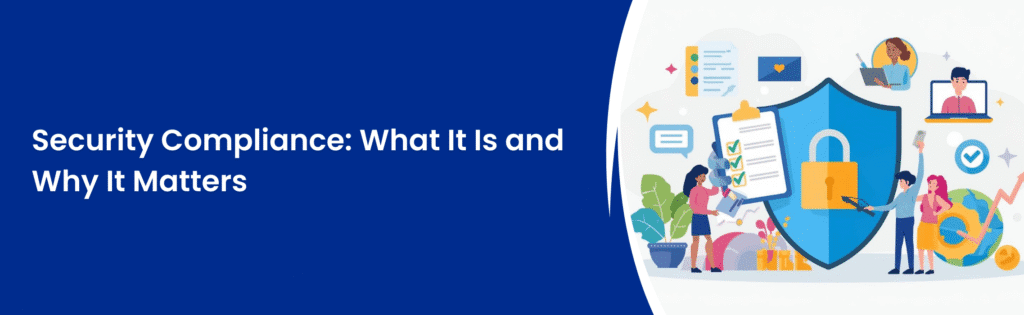
Security Compliance: What It Is and Why It Matters
In today’s digital-first world, organizations operate in an environment filled with cyber threats, evolving regulations, and increasing dependence on technology. Businesses store massive amounts of personal, financial, and operational data, making them prime targets for cybercriminals. At the same time, governments and industries have introduced strict regulatory standards, including frameworks like ISO/IEC 27001 Compliance to ensure that sensitive data is handled responsibly.
This is where security compliance becomes a necessity rather than an option. It ensures that companies follow the required laws, security controls, and internal policies needed to protect information systems. Without a strong compliance foundation, organizations risk data breaches, financial losses, reputational harm, operational downtime, and even legal consequences.
To build a secure, resilient, and trustworthy organization in 2025 and beyond, businesses must understand the true value of security compliance and how it strengthens their entire cybersecurity posture.
Understanding Security Compliance
Security compliance refers to a company’s ability to meet established policies, regulatory requirements, and industry standards that define how data should be collected, stored, used, and protected. These requirements may come from global laws, industry-specific frameworks, or contractual obligations with clients and partners. An ISO 27001 gap analysis template helps organizations systematically assess their current security posture, identify gaps against ISO 27001 requirements, and plan corrective actions to achieve full compliance.
Some well-known compliance frameworks include
- GDPR – A regulation governing data privacy for EU residents
- ISO 27001 – A global standard for Information Security Management Systems (ISMS)
- ISO 27701 – A privacy extension to ISO 27001 focused on personal data
- SOC 2 – A framework for cloud and technology service providers
- PCI DSS – Security standards for handling payment card data
- HIPAA – Regulations for healthcare organizations handling patient information
Meeting these requirements ensures that businesses maintain transparency, adopt best practices, and safeguard sensitive assets from internal and external risks. Security compliance is not just a checklist—it’s a continuous commitment to responsible data protection.
Why Security Compliance Matters Today
Cyberattacks have evolved dramatically over the last few years, with threats like ransomware, phishing, insider attacks, social engineering, and data theft becoming more sophisticated. Even small businesses are no longer immune—cybercriminals target anyone with valuable data.
Security compliance helps organizations reduce risks by implementing strong security controls such as
- Data encryption
- Identity and access management
- Multi-factor authentication (MFA)
- Regular audits and monitoring
- Threat detection and incident response
- Data privacy protocols
- Vendor risk assessments
These controls not only minimize vulnerabilities but also build a culture of security awareness. Companies that consistently meet compliance standards avoid hefty penalties, protect their reputation, and ensure uninterrupted operations.
Additionally, clients and partners prefer working with businesses that can demonstrate reliable security practices. For organizations seeking stronger data privacy alignment, integrating GDPR Compliance Services further enhances trust and regulatory readiness. Compliance becomes a powerful differentiator in today’s competitive landscape and directly influences customer confidence.
Benefits of Following Regulatory Standards
Adhering to recognized security standards offers long-term strategic advantages. Beyond avoiding legal consequences, compliance strengthens the overall cybersecurity foundation of an organization. Key benefits include:
1. Enhanced Data Protection
Regulatory frameworks require businesses to adopt clearer processes for managing sensitive data. This reduces unauthorized access, data leaks, and accidental breaches.
2. Better Risk Management
Compliance encourages organizations to identify and evaluate potential risks. With proper risk assessments, businesses can prioritize vulnerabilities and respond proactively.
3. Transparent Operations
Standardized documentation, clear policies, and regular audits create transparency across departments. This builds trust with stakeholders and improves internal coordination.
4. Reduced Security Incidents
Companies following compliance standards experience fewer cyberattacks because they maintain stronger controls, training, and monitoring systems.
5. Faster Incident Response
In case of a breach, documented procedures allow teams to respond quickly, reducing damage and restoring normal operations faster.
6. Improved Vendor & Partner Confidence
Many clients require SOC 2, ISO 27001, or GDPR compliance before partnering. Meeting these standards opens doors for new opportunities.
Overall, compliance helps organizations build a secure and stable environment where both customers and employees feel confident in how data is managed.
Role of Security Policies and Procedures
At the core of every successful compliance strategy are clear, well-defined security policies and procedures. These documents outline how sensitive information should be handled, accessed, stored, and protected across the organization.
Strong policies typically include
- Acceptable use guidelines
- Data classification and handling procedures
- Access control and user management rules
- Employee cybersecurity training
- Backup and disaster recovery plans
- Incident response workflows
- Vendor and third-party security requirements
When employees understand and follow these guidelines, the risk of human error, data misuse, and unauthorized access decreases significantly. Policies also ensure consistency across departments, making compliance easier to maintain and monitor.
Security procedures act as a roadmap during emergencies, helping teams react quickly and effectively. This clarity is essential for minimizing damage during a cyber incident.
The Importance of Compliance in Business Growth
The significance of compliance goes far beyond protecting data or meeting regulatory expectations. It plays a crucial role in shaping the reputation and long-term growth potential of a business.
1. Builds Customer Trust
Consumers are more aware of privacy risks today. Companies that invest in compliance attract more customers and build stronger loyalty.
2. Enhances Market Credibility
Certifications like ISO 27001 or SOC 2 signal professionalism and reliability. This helps businesses stand out in crowded markets.
3. Supports Safe Innovation
With strong compliance practices, businesses can adopt new technologies—such as cloud systems, AI tools, or automation—while staying secure.
4. Enables Smooth Expansion
Entering global markets requires meeting international standards. Compliance ensures businesses are ready for international growth.
5. Reduces Long-Term Costs
Handling breaches, fines, and legal challenges can be extremely expensive. Compliance minimizes these risks, saving money in the long run.
By investing in compliance today, companies prepare themselves to face evolving cyber threats, adapt to regulatory changes, and operate confidently in a competitive digital ecosystem.
Conclusion
In today’s rapidly evolving digital landscape, information security compliance is no longer optional—it is a cornerstone of business resilience and growth. By adhering to established regulations and industry standards, organizations not only protect sensitive data from cyber threats but also build trust with clients, partners, and stakeholders. Compliance fosters transparency, strengthens operational efficiency, and enables businesses to innovate and expand with confidence. Ultimately, companies that prioritize security compliance position themselves as reliable, forward-thinking leaders in their industry, ready to navigate the challenges of 2025 and beyond.
FAQs
How does security compliance help improve business operations?
Security compliance strengthens internal processes by establishing clear security policies and procedures. This reduces system downtime, prevents errors, and improves overall operational efficiency.
How can regulatory standards support business growth?
Following regulatory standards enables businesses to enter new markets, work with global clients, and pass security audits easily—opening more partnership and revenue opportunities.
How does strong security compliance protect a company’s reputation?
When a business consistently meets compliance requirements, it shows customers and partners that their data is safe. This builds long-term trust, increases customer retention, and enhances brand credibility.
Can security compliance help reduce financial and legal risks?
Yes. Meeting compliance requirements helps businesses avoid costly penalties, lawsuits, breach-related expenses, and downtime. This saves money and protects the organization from major financial losses.
How does security compliance improve decision-making for business leaders?
Compliance provides accurate data, structured processes, and risk insights. This helps leaders make informed decisions, invest smarter in technology, and plan strategies with confidence.

Ajai Srivastava,
Founder Director of Seven Step Consulting Pvt. Ltd. , which comprises GRC Consulting, GRC Automation, and Books Publication, brings 35+ years of leadership across multinational companies. A seasoned consultant, auditor, trainer, and author, he is known for shaping ISMS in India, delivering 3000+ training hours, and advancing global standards and compliance practices.